Lesson: Exploring Hobbies and Leisure
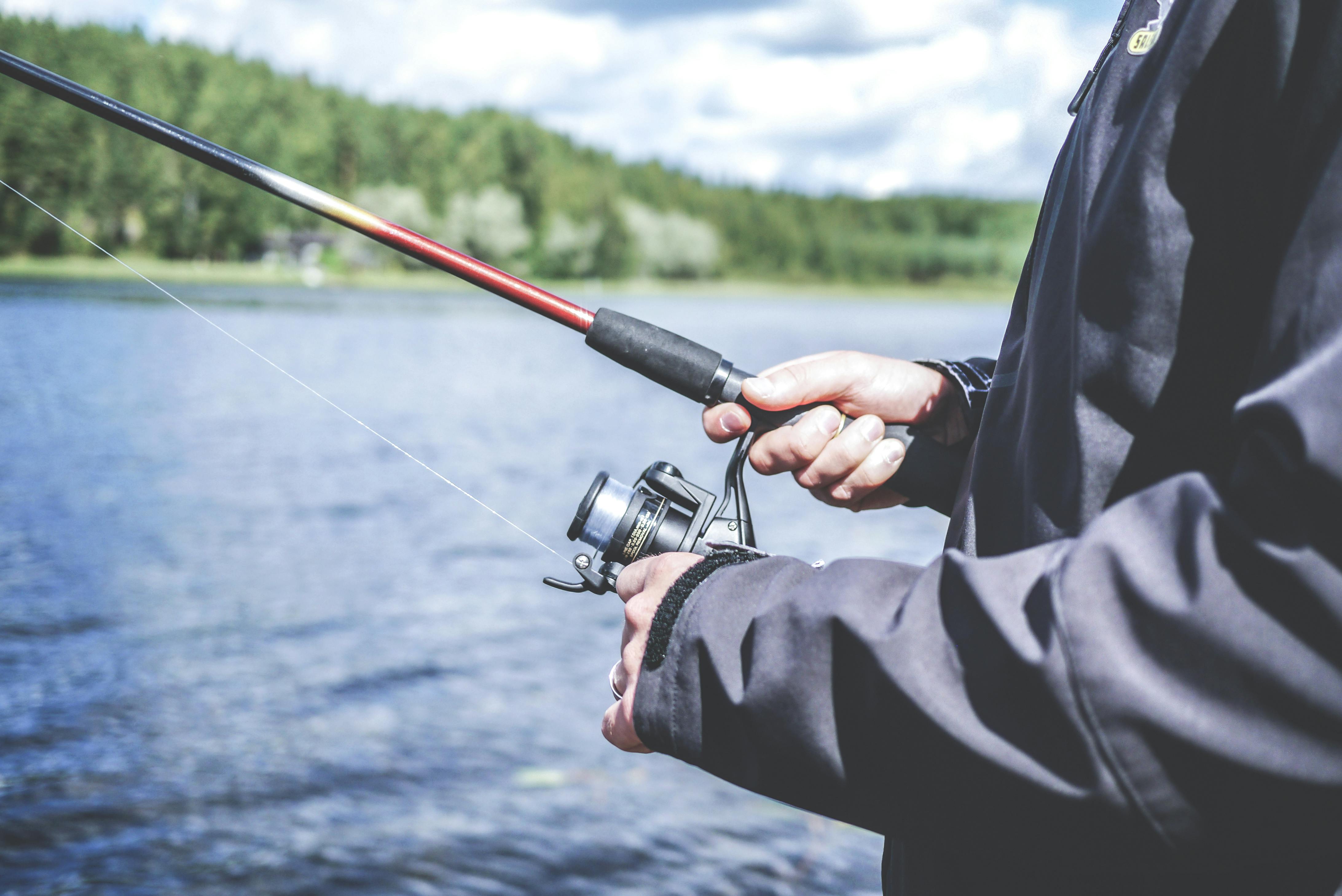
Activity I: Vocabulary
- Pastime – An activity that someone does regularly for enjoyment rather than work; a hobby.
- Pursue – To follow or chase (someone or something); to engage in (an activity or course of action).
- Avid – Having or showing a keen interest in or enthusiasm for something.
- Dabble (in) – To take part in an activity in a casual or superficial way.
- Outlet – A way of expressing or releasing one's talent, energy, or emotions.
- Recreational – Relating to or denoting activity done for enjoyment when one is not working.
- Craft – An activity involving skill in making things by hand.
- Well-rounded – Having a personality that is fully developed in all aspects; having a variety of experiences and abilities.
Activity II: Reading
Engaging in hobbies and leisure activities is vital for a balanced and fulfilling life. These pastimes provide an escape from daily pressures, an outlet for creativity, and opportunities for personal growth and social connection. For intermediate English learners, discussing hobbies and leisure offers a fantastic platform to use descriptive language, express preferences, and share personal interests in more depth. It's a universally relatable topic that can lead to more engaging and nuanced conversations.
The range of hobbies people pursue is incredibly diverse. Some individuals are avid collectors, gathering anything from stamps to vintage records. Others might dabble in artistic endeavors like painting, pottery, or playing a musical instrument. Recreational sports, whether team-based like soccer or individual like cycling or swimming, are popular choices for those who enjoy physical activity. Many find joy in crafts, such as knitting, woodworking, or jewelry making, which allow them to create something tangible. Then there are intellectual pursuits like learning new languages, playing strategy games, or joining book clubs. Each hobby reflects unique interests and provides different forms of satisfaction.
When talking about your hobbies at an intermediate level, you can go beyond simple statements. You might explain how you got started: "I first started dabbling in photography a few years ago after a trip." Or describe the benefits: "Gardening is a great outlet for stress and I find it very therapeutic." To inquire about others' interests, you could ask, "What sort of pastimes are you into?" or "Have you always been an avid reader?" Discussing the time commitment or resources involved can also add depth: "Playing the piano requires a lot of practice, but I find it very rewarding."
Exploring different hobbies can contribute to becoming a more well-rounded individual. It exposes us to new skills, perspectives, and communities. Sharing these interests with others not only helps in practicing English but also in building connections based on shared passions. Whether you're passionate about a long-standing hobby or just beginning to explore new leisure activities, being able to articulate these experiences enriches your communication and personal life.
Activity III: Role Play (Discovering Shared Interests)
Instructions: Practice this dialogue with your teacher. One person is Sarah, and the other is Tom.
Activity IV: Let's Practice
Discuss Hobbies and Leisure with Your Teacher.
Share with your teacher about your main hobbies or pastimes. Explain how you got interested in them and what you enjoy about them. Do you consider yourself an avid participant, or do you just dabble? Talk about whether your hobbies are an outlet for creativity, a way to relax, or a social activity. Ask your teacher about the hobbies they pursue and why they enjoy them. Try to use the new vocabulary to make your conversation more descriptive and engaging.